
 March 25, 2026, 1:11 p.m.
What is Cyberbullying? The Dark Face of Digital Violence and Protection Methods
In today's world where the internet has penetrated every area of our lives, threats that exist in the physical world have also been carried into the digital environment. Cyberbullying has become a serious problem among these digital threats, particularly increasing rapidly in recent years and affecting people of all age groups. So what exactly is cyberbullying and how can we protect ourselves from this form of digital violence?
Cyberbullying can be defined as engaging in intentional, repeated, and harmful behaviors toward a person or group using information technologies and communication tools. These behaviors can be carried out through social media platforms, email, messaging applications, gaming platforms, or other digital channels. Unlike traditional bullying, cyberbullying can continue 24/7, spread rapidly to large audiences, and is often done anonymously.

Common Types and Manifestations of Cyberbullying
Cyberbullying is a complex phenomenon that can emerge in various forms. Understanding these types of bullying is critically important for both potential victims and parents, educators, and employers.
Harassment
One of the most common types of cyberbullying, harassment involves constantly sending disturbing, insulting, or threatening messages to a person. These messages can be through direct private messages or in the form of public posts. The victim may encounter dozens or even hundreds of negative messages per day, and this situation becomes psychologically exhausting.
Identity Theft and Impersonation
The attacker can steal the victim's identity or create fake accounts to make embarrassing posts in the victim's name. This type of cyberbullying can seriously damage the victim's reputation and cause major problems in their social circle. Particularly such attacks on professional platforms can cause permanent damage to one's career.
Doxing and Sharing Private Information
Doxing is the public disclosure of a person's private information (address, phone number, private photos, financial information, etc.) without their permission. This action can put the victim in physical danger and lead to serious security risks. Particularly in terms of personal data protection, such attacks constitute serious crimes both ethically and legally.
Exclusion and Cyber Isolation
Particularly common among young people, this type of bullying involves intentionally excluding a person from group chats, game rooms, or social media interactions. This situation can create intense feelings of loneliness and worthlessness in the victim.
Cyber Stalking
This involves constantly monitoring a person's online activities, tracking their every move, and using this information to harass them. Cyber stalking can also turn into physical stalking and pose a serious security threat to the victim.
Psychological and Social Effects of Cyberbullying
The effects of cyberbullying on victims are no less than physical bullying; in fact, in some cases, they can be more destructive. The 24/7 accessibility of the digital environment and the permanence of content cause victims to feel under constant threat.
Research shows that individuals exposed to cyberbullying experience serious problems such as depression, anxiety disorders, low self-esteem, decreased academic or professional performance, and social isolation. Unfortunately, in some cases, prolonged and intense cyberbullying can even lead to suicidal thoughts.
Children and young people are particularly vulnerable to such attacks. For these individuals who are in their developmental period, negative experiences in the digital environment can negatively affect their personality development, social skills, and future relationships.

Cyberbullying from a Corporate Perspective
Cyberbullying is not only an individual problem but also a corporate risk. Cyberbullying in the workplace reduces employee productivity, creates a toxic environment, and can damage company reputation. Particularly bullying acts carried out through corporate email systems, internal messaging platforms, and social media are issues that employers need to pay attention to.
Companies need to develop clear policies against cyberbullying, train employees on this subject, and establish effective intervention mechanisms when incidents occur. As Nordis Global, we provide comprehensive cybersecurity consulting and awareness training to help organizations deal with such risks.
Methods of Protection Against Cyberbullying
There are concrete steps that individuals, families, and organizations can take to protect against cyberbullying and combat this threat.
Digital Literacy and Awareness
First and foremost, especially children and young people should be educated about digital literacy. Awareness should be raised about the risks of internet use, protection of personal information, safe social media use, and recognition of suspicious behaviors.
Optimizing Privacy Settings
Regularly review the privacy settings of your social media accounts and other digital platforms. Take control of who can see you, who can send messages, and who can view your posts. Avoid sharing unnecessary information.
Strong Password Policies
Protect your accounts with strong and unique passwords. Be sure to activate two-factor authentication (2FA). This is one of the most effective ways to prevent account takeovers and identity theft.
Evidence Collection and Documentation
When exposed to cyberbullying, save all messages, comments, posts, and other evidence by taking screenshots. These documents are critically important for initiating legal proceedings or complaining to platform administrators.
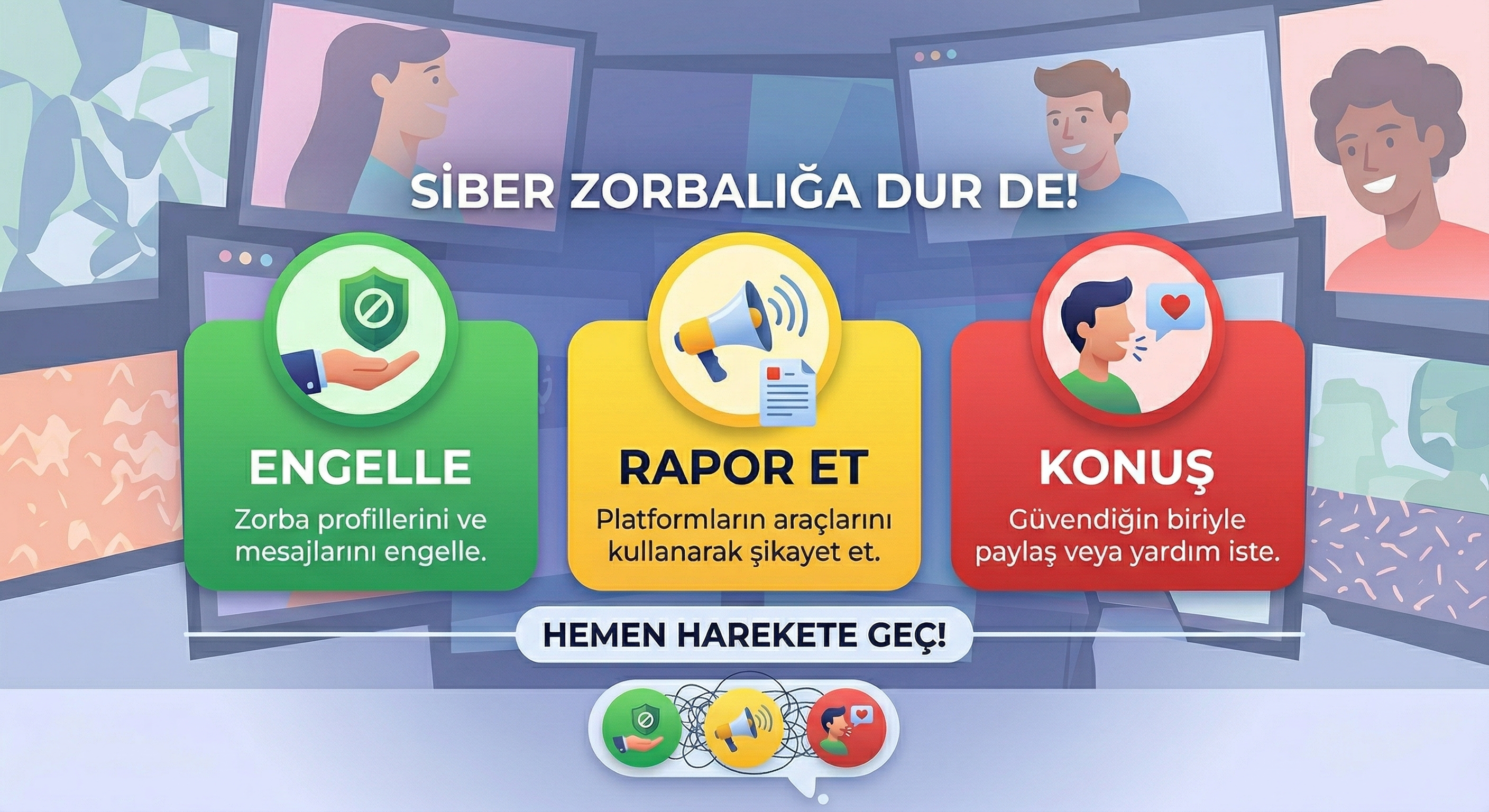
Blocking and Reporting
Immediately block people who engage in cyberbullying and report the situation using the relevant platform's complaint mechanisms. Most social media platforms take bullying and harassment content seriously and apply necessary sanctions.
Seeking Professional Support
If the situation is serious or contains threatening elements, report it to law enforcement. Also, don't hesitate to seek psychological support. The trauma created by cyberbullying can be overcome more effectively with professional help.

Similar Posts