
 July 26, 2026, 2:14 p.m.
What is the Dark Web? Learn If Your Company Data is on the Dark Web
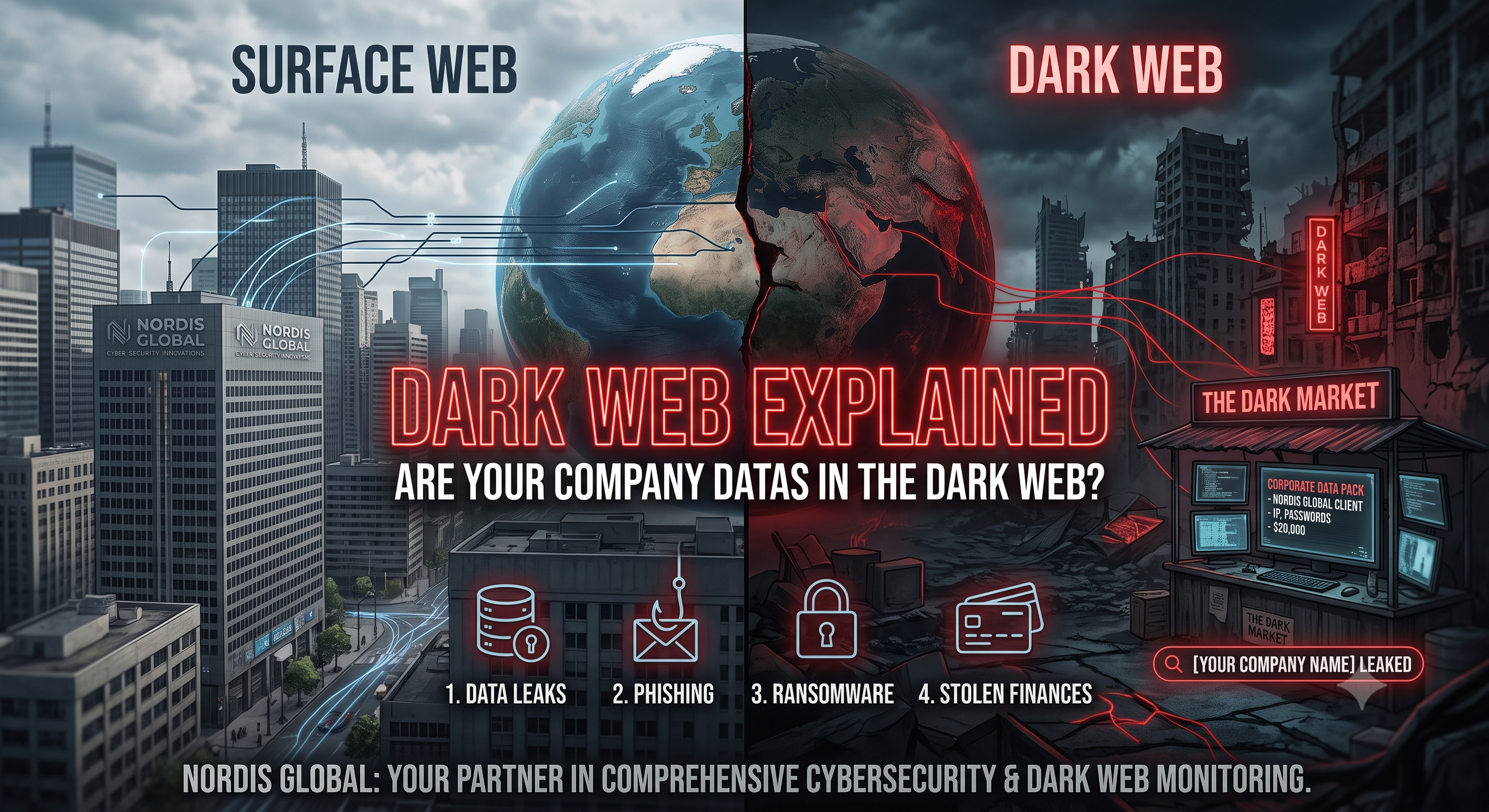
The internet has a much larger and more complex structure than the visible part we use in our daily lives. The websites accessed by most users constitute what is called the Surface Web, which is indexed by search engines and easily visible to everyone. However, there are sections that make up 96% of the internet that search engines cannot reach. The Dark Web is the most dangerous and most intriguing part of this invisible area. Particularly from a corporate cybersecurity perspective, knowing whether company data is circulating on the dark web is critically important.
As a result of major data breaches and cyberattacks in recent years, millions of user and company data are being sold on the dark web. Organizations' most valuable assets—customer information, employee credentials, trade secrets, and financial data—are targeted by cybercriminals. In this article, we will examine in detail what the dark web is, how you can learn if your company data is on this platform, and proactive security measures.
Dark Web: The Dark Side of the Internet

The dark web is the general name for internet content that requires special software, configurations, or authorization. Accessible using anonymous browsers like Tor (The Onion Router), in this area, users' identities and locations are hidden with encryption layers. The dark web should not be confused with the Deep Web; while the deep web refers to areas that search engines don't index but contain harmless content (such as password-protected email accounts, online banking portals), the dark web includes platforms specifically designed for privacy and anonymity.
Illegal activities occur intensively on the dark web. Stolen data, fake identities, malicious software, weapons, drugs, and other illegal products and services are bought and sold. However, it doesn't only contain criminal content; there are also legitimate use cases where journalists, activists, and people in oppressive regimes can communicate freely. From a corporate security perspective, the main concern is the possibility of company data circulating in this environment.
What Company Data is Found on the Dark Web?
Corporate data obtained as a result of cyberattacks is offered for sale or shared freely on dark web marketplaces. This data includes:
- Credentials: Employee and customer email addresses, usernames, and passwords
- Financial Information: Credit card numbers, bank account information, payment system data
- Personally Identifiable Information: National ID numbers, phone numbers, addresses, birth dates
- Corporate Data: Trade secrets, customer databases, contracts, strategic plans
- Access Keys: VPN credentials, API keys, administrator access information
- Technical Information: System configurations, network maps, security vulnerability lists
The presence of this data on the dark web creates very serious risks for companies. It can result in identity theft, account takeover, ransomware attacks, reputation loss, and violations of legal obligations.
How Do You Learn If Your Company Data is on the Dark Web?
An important component of corporate cybersecurity strategy is proactive threat intelligence. Dark web monitoring is a critical method used to detect whether company data is circulating on the dark web. Here are approaches you can use to check your company data:
1. Dark Web Monitoring Tools
Professional dark web monitoring tools continuously scan dark web forums, marketplaces, paste sites, and Telegram channels. These tools monitor your company's domain name, email addresses, employee information, and other critical data, sending immediate alerts when any breach is detected. Popular dark web monitoring solutions include:
- Commercial Platforms: Enterprise solutions like Recorded Future, IntSights, DarkOwl, Digital Shadows
- Threat Intelligence Platforms: Integrated platforms like Anomali, ThreatConnect, MISP
- Security Service Providers: Monitoring services offered by cybersecurity consulting firms
- Free Checking Tools: General data breach checking sites like Have I Been Pwned, DeHashed
These tools provide company-specific threat intelligence by working with automated scanning, machine learning algorithms, and expert analysis teams. Thanks to early warning systems, you can take necessary measures before your data is misused.
2. Manual Dark Web Research
Experienced cybersecurity experts can conduct manual research on dark web forums using the Tor browser. However, this method requires technical expertise, security measures, and time. Additionally, some dark web platforms may have invitation or membership requirements for access. Points to consider in manual research:
- Accessing from a secure and isolated environment
- Following data breach announcements on dark web forums
- Searching for company information on paste sites (Pastebin, Ghostbin, etc.)
- Conducting company name and domain searches in underground marketplaces
- Monitoring hacktivist group notification channels
3. Telegram Groups and Channels
In recent years, cybercriminals have been actively using encrypted messaging applications like Telegram in addition to the dark web. Data breaches, attack notifications, and sharing of stolen data frequently occur in Telegram groups. Cybersecurity teams should monitor relevant Telegram channels and groups to check whether company data is being shared on these platforms.
Particularly ransomware groups, in order to pressure their victims, first
Similar Posts