
 July 20, 2026, 10:02 p.m.
What is Multi-Factor Authentication (MFA)? Comprehensive Implementation Guide for Companies
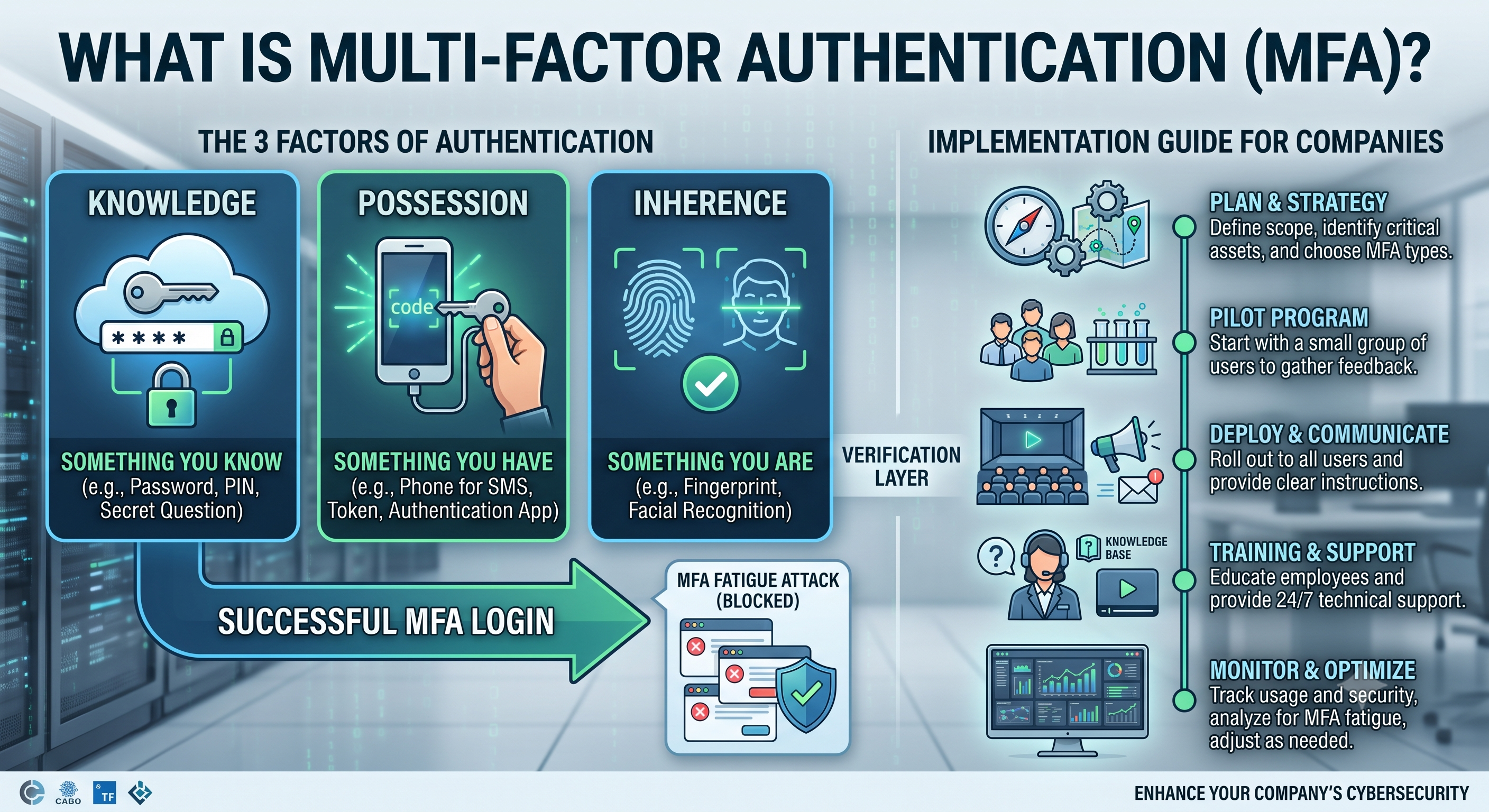
In today's digital world, one of the biggest threats companies face is unauthorized access and data breaches. Traditional username and password combinations no longer provide adequate security. At this point, Multi-Factor Authentication (MFA) has become an indispensable component of corporate cybersecurity strategies. MFA is a security mechanism that requires users to prove their identity using two or more different verification factors.
According to Microsoft's 2023 reports, accounts using MFA are 99.9% less at risk compared to those that don't. This statistic alone clearly demonstrates why organizations need to urgently implement MFA. In this article, we will examine in detail what MFA is, its various types, potential security vulnerabilities, and the most suitable implementation strategies for companies.
How Does Multi-Factor Authentication Work?
MFA uses at least two of three main factor categories to verify user identity:
- Knowledge Factor: Something the user knows - password, PIN code, or security question answer
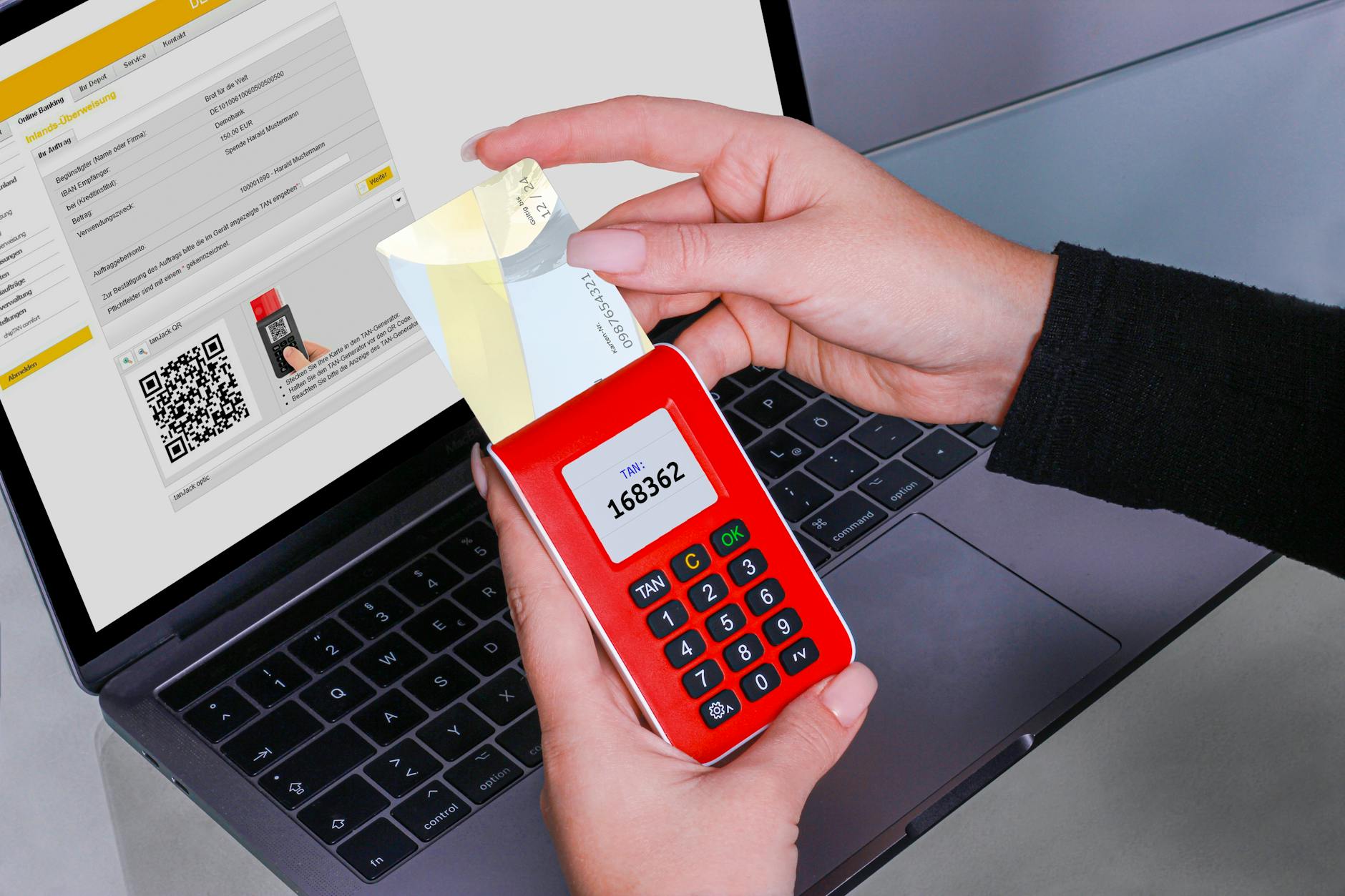
- Possession Factor: Something the user has - smartphone, security token, smart card, or hardware key
- Inherence Factor (Biometric): User's unique biological characteristics - fingerprint, facial recognition, retina scan, or voice recognition
Even if an attacker obtains your password, they cannot access your account when MFA is active. This is because it's impossible to log into the system without providing the second or third verification factor. This layered security approach is the foundation of modern cybersecurity strategies.
MFA Types and Technologies: Which is Right for Your Business?
SMS-Based Verification
One of the most commonly used MFA methods, SMS verification sends a one-time code to the user's registered phone number. Despite being easy to implement, it is vulnerable to SIM Swap attacks. SIM swap is a threat type that occurs when attackers transfer a user's phone number to their own SIM card using social engineering techniques. For this reason, SMS-based MFA is no longer considered the most secure option.
TOTP (Time-Based One-Time Password)
Time-based one-time passwords generated using applications like Google Authenticator, Microsoft Authenticator, and Authy are much more secure compared to SMS. In this method, an algorithm running on the user's device generates unique codes that change every 30 seconds. Since it doesn't require an internet connection, it can work offline and is more resistant to phishing attacks.
Main reasons TOTP is preferred in enterprise environments:
- Cost-effectiveness - free or low-cost applications
- Easy deployment and user adoption
- Higher security level compared to SMS
- Offline functionality
FIDO2 and WebAuthn: Next-Generation Security
FIDO2 (Fast Identity Online) is an open standard developed for passwordless authentication. Using hardware security keys like YubiKey or biometric sensors, it offers the highest security level. FIDO2 is nearly immune to phishing attacks because credentials are never transmitted to the server.
Advantages of FIDO2 in enterprise environments:
- Excellent protection against phishing and man-in-the-middle attacks
- Simplicity in user experience
- Less server-side risk due to no shared secrets
- Broad support as an industry standard
Push-Based Notifications
Applications like Microsoft Authenticator and Duo Mobile send a push notification to the user's registered device requesting approval. Access is granted when the user approves the notification. While this method is user-friendly, it can be vulnerable to MFA fatigue attacks.
MFA Bypass Attacks: Threats Organizations Need to Know

MFA Fatigue Attacks
MFA fatigue is a social engineering technique where attackers attempt to exhaust users by continuously sending MFA approval requests. The user may approve the malicious login attempt either to stop the notifications out of frustration or accidentally. These types of attacks have increased significantly in recent years, with successful attacks on major companies like Uber and Cisco.
Prevention Strategies:
- Enable number matching feature
- Display location information of login attempt
- Limit maximum number of approval requests within a specific timeframe
- User education and awareness programs
SIM Swap Attacks
SIM swap occurs when attackers deceive phone carriers using social engineering methods to transfer the target's phone number to a SIM card they control. In this case, SMS-based MFA codes reach the attacker directly. As a precaution, authenticator apps or FIDO2 keys should be used instead of SMS.
Session Hijacking and Cookie Theft
If session cookies created after successfully passing MFA are stolen, the attacker can access the system without passing MFA again. Therefore, session management and conditional access policies are as important as MFA. Regular session timeouts, re-authentication on IP address changes, and anomalous behavior detection are critical measures.
Popular MFA Solutions Comparison: Microsoft, Google, and Duo
Microsoft Authenticator and Azure MFA
Microsoft's MFA solution is fully integrated with Azure Active Directory
Similar Posts