

 May 14, 2026, 9:16 p.m.
2025 Cybersecurity Incidents in the World and Turkey: New Threats and Current Trends
The year 2025 is being recorded as a period of significant transformations in the cybersecurity world. The increase in AI-powered attacks, the evolution of ransomware, and cyber operations targeting critical infrastructure are putting cybersecurity teams on high alert both globally and in Turkey. The rapid increase in global digitalization is causing cyber threats to become more sophisticated.
In this comprehensive analysis, we will examine the significant cybersecurity incidents that occurred globally and in Turkey during the first quarter of 2025, newly emerging threat vectors, and how corporate security measures need to be strengthened.
Critical Cybersecurity Incidents Worldwide

2025 stands out as a period when cybercriminals execute more organized and technologically advanced attacks. The increase in attacks targeting critical infrastructure, in particular, ranks at the top of the international security agenda.
The Rise of AI-Powered Attacks
The most prominent trend of 2025 has been attackers' use of artificial intelligence technologies in malware development and social engineering attacks. There has been a dramatic increase in CEO fraud cases executed with deepfake technology. Particularly in Europe and North America, numerous companies have suffered millions of dollars in losses through fake audio and video meetings generated by artificial intelligence.
LLM (Large Language Model) based attacks have significantly increased the quality of phishing campaigns. Attackers have become capable of creating highly convincing emails that are targeted and free from grammatical errors. This situation has revealed the need to update traditional security awareness training.
State-Sponsored Attacks on Critical Infrastructure
In the early months of 2025, attacks carried out by APT (Advanced Persistent Threat) groups targeting critical facilities such as the energy sector and water infrastructure drew attention. Cyber operations, especially in the Eastern Europe region, have increased national security concerns.
Attack attempts on water treatment facilities in several US states have shown that cybersecurity standards in public services urgently need to be strengthened. These incidents have revealed that security vulnerabilities in SCADA systems and industrial control systems still pose a serious risk.
New Tactics in Ransomware Attacks
The proliferation of the Ransomware-as-a-Service (RaaS) model has created an explosion in the number of ransomware attacks. In 2025, attackers moved beyond traditional encryption methods and adopted a "multiple extortion" tactic. In this method, data is not only encrypted but also exfiltrated, DDoS attack threats are made, and customers are even directly contacted to create multi-layered pressure on companies.
The healthcare sector continued to be the most targeted sector by ransomware groups in 2025. Many hospitals in Europe and America were forced to halt their operations due to the encryption of patient data. These incidents serve as an important warning for healthcare organizations to increase their cybersecurity investments.
Turkey's Cybersecurity Landscape
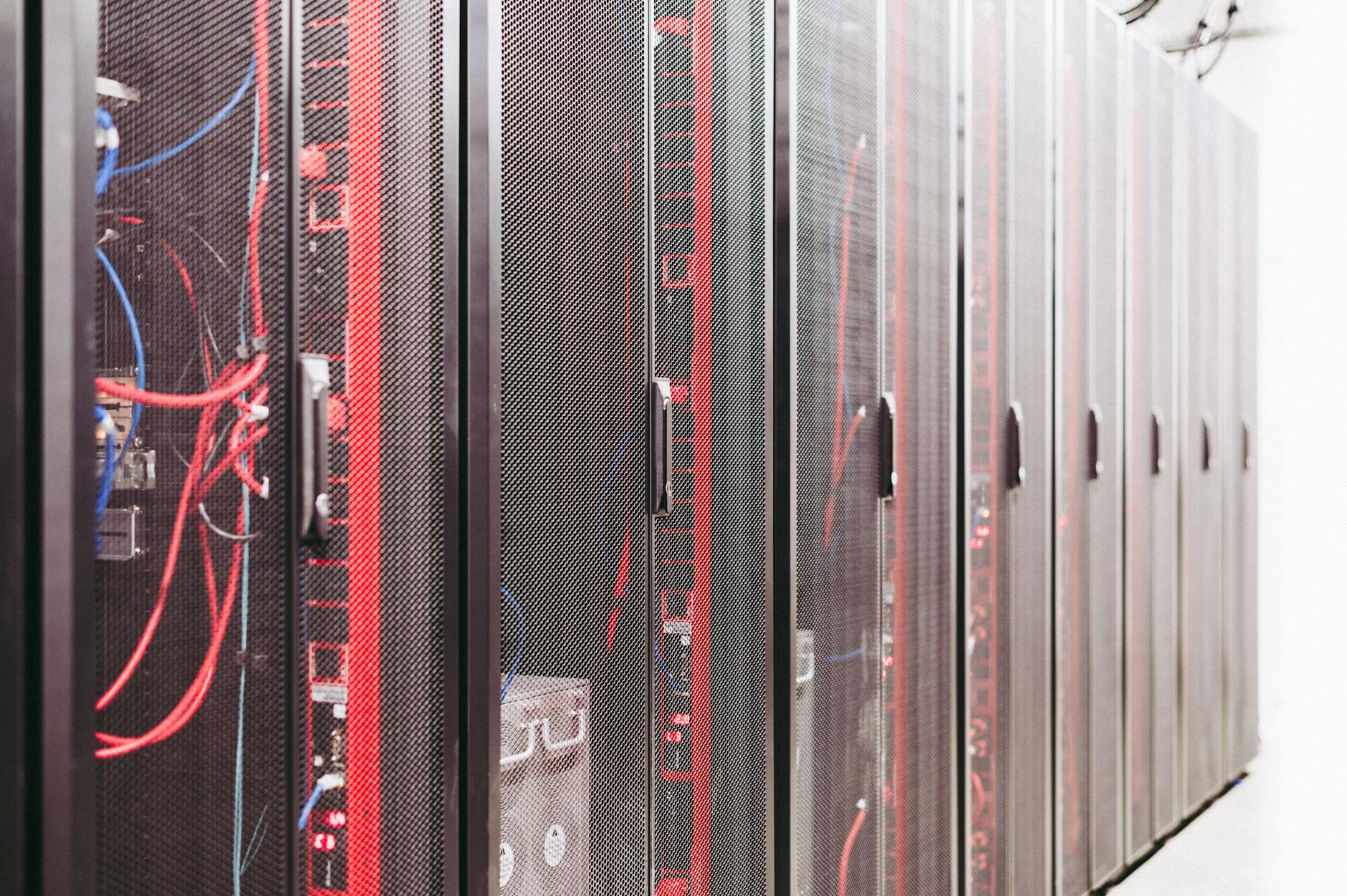
Turkey stands out in 2025 as a country that is both a target of attacks and strengthening its defense capacity in the field of cybersecurity. The acceleration of digital transformation projects has also increased cybersecurity needs.
Significant Cyber Incidents in Turkey
In the first quarter of 2025, many corporate firms and public institutions in Turkey faced targeted cyber attacks. An increase in DDoS attacks and data exfiltration attempts was observed, particularly in the finance sector. While the security of banking systems was being tested, security teams experienced an intense work pace.
Data breach attempts on e-commerce platforms have increased concerns about the protection of consumer data. Several major e-commerce companies faced allegations of customer information leaks, while investigations were initiated under the scope of KVKK (Personal Data Protection Authority).
Developments in National Cybersecurity Strategies
The Republic of Turkey updated its national cybersecurity strategies in 2025 and introduced new regulations for the protection of critical infrastructure. Under the coordination of the Ministry of Transport and Infrastructure, the scope of cybersecurity audits in the energy, transportation, and telecommunications sectors was expanded.
The Cyber Incident Response Team Coordination Center (SOME) assumed a more active role in 2025, strengthening cooperation between the public and private sectors. The development of early warning systems and increased threat intelligence sharing have significantly enhanced Turkey's cyber resilience.
Sectoral Cyber Threat Trends
The finance sector in Turkey continued to be the most targeted sector in 2025. Phishing campaigns targeting mobile banking applications, SMS-based fraud, and vishing attacks carried out through fake investment platforms became widespread. While banks strengthened multi-factor authentication systems, they invested in biometric security solutions.
In the healthcare sector, attack attempts on hospital information management systems showed an increase. The sensitivity of patient data and the necessity of uninterrupted healthcare services make this sector an attractive target for attackers. Healthcare organizations in Turkey have had to review their data backup strategies and disaster recovery plans.
Cybersecurity Challenges Faced by SMEs
Small and medium-sized enterprises in Turkey

Similar Posts