
 May 14, 2026, 9:18 p.m.
Cybersecurity in 2026: The 10 Most Critical Threats Companies Will Face
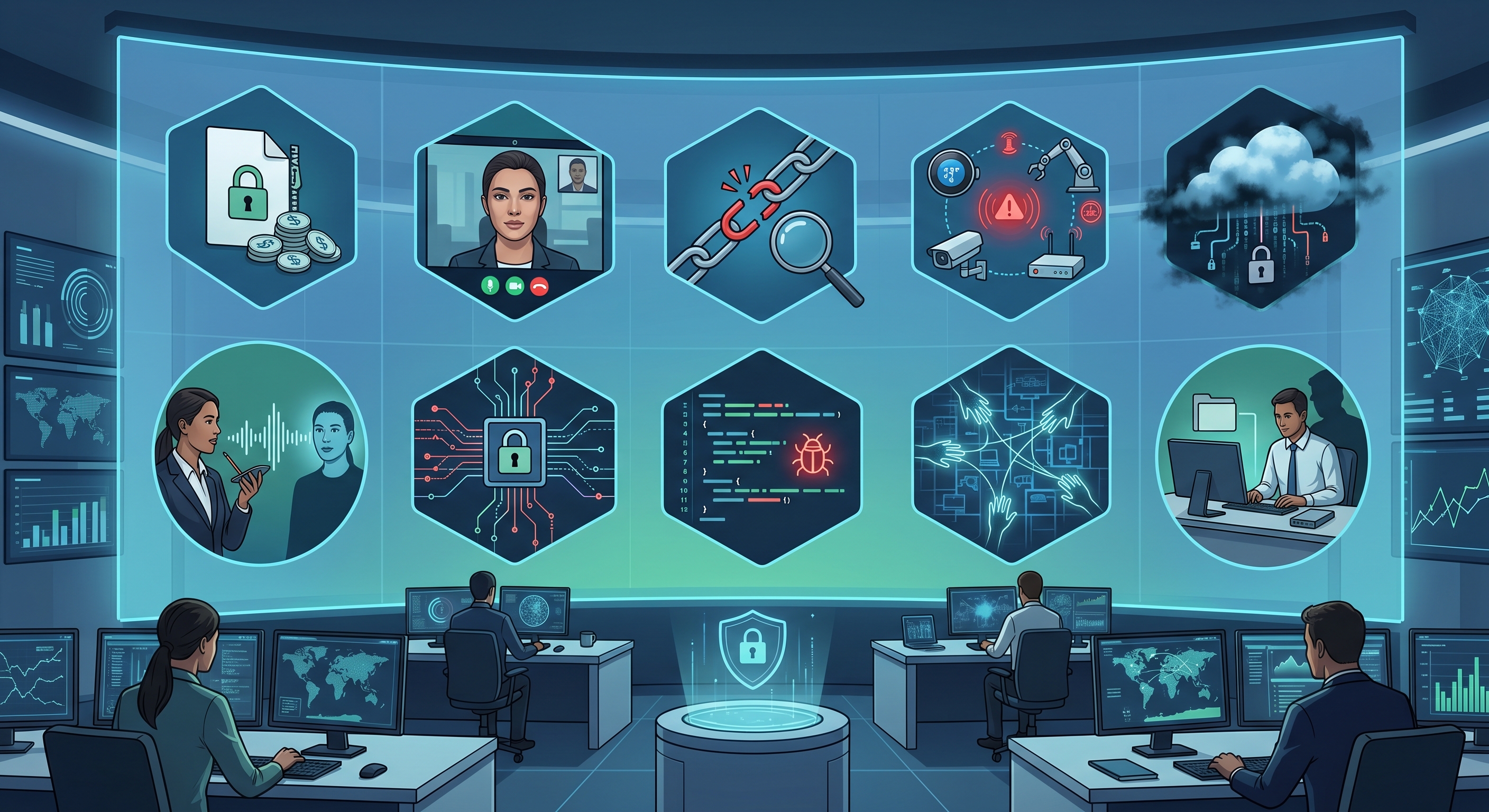
In today's rapidly advancing digital transformation era, cyber threats are evolving at the same pace. As we approach 2026, the cybersecurity risks that organizations will face are increasing both numerically and qualitatively. AI-powered attacks, new threats posed by quantum computers, and increasingly complex cybercrime ecosystems will challenge companies like never before. In this article, we will examine in detail the top 10 threats that will emerge in the cybersecurity landscape in 2026 and how organizations can cope with these risks.
1. AI-Powered Advanced Phishing Attacks

One of the biggest cyber threats in 2026 will be phishing attacks enhanced with artificial intelligence and machine learning technologies. Traditional phishing attacks are now giving way to advanced AI systems that can analyze a target's writing style, speech patterns, and professional relationships. These attacks can impersonate senior executives using deepfake voice and video technologies and convince employees to share sensitive information.
For organizations to cope with this threat, it is critical to make multi-factor authentication systems mandatory, provide regular cybersecurity awareness training to employees, and use AI-powered threat detection systems. Additional verification layers should be established especially for financial transactions and sensitive data sharing.
2. The Rise of Supply Chain Attacks
Supply chain attacks will continue to be the weakest link in enterprise cybersecurity in 2026. Rather than attacking large companies directly, attackers target their trusted third-party suppliers, software providers, and service partners. Cybercriminals who infiltrate a supplier's system can gain access to hundreds or even thousands of companies from there.
To prevent this threat, companies need to establish a comprehensive supplier risk management program, regularly audit the security levels of all business partners, and transition to a zero trust architecture. Separate access controls and continuous monitoring mechanisms for each supplier are vital.
3. Evolution of Ransomware Attacks to Double and Triple Extortion Models
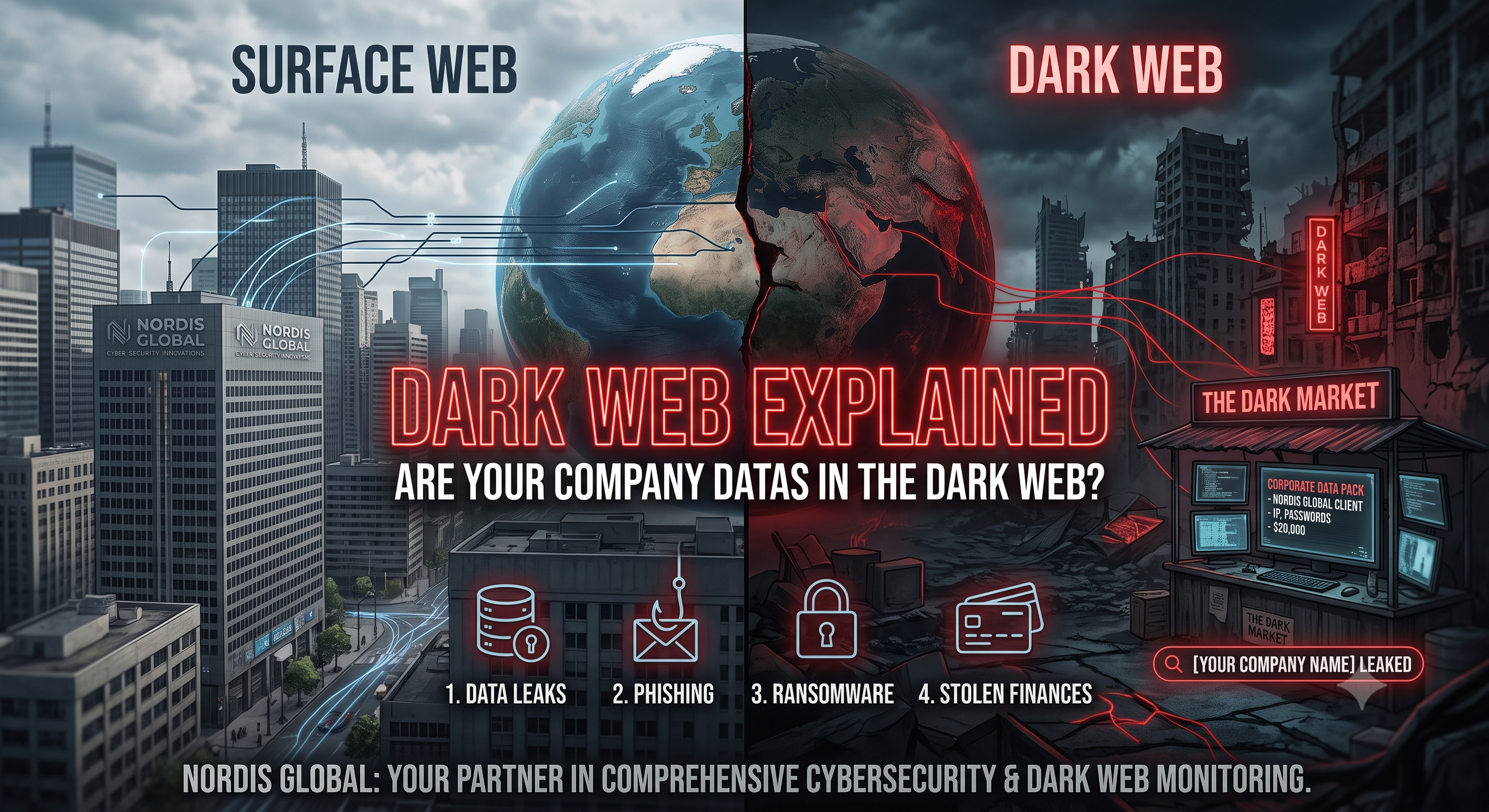
Ransomware attacks in 2026 will not only encrypt data but will use multi-layered extortion methods. Attackers now first steal data, then encrypt it, and then threaten to sell the stolen data on the dark web or share it with the public. In some cases, they add a third layer of extortion by demanding ransom directly from the company's customers.
The most effective defense against the ransomware threat is regular backup strategies, network segmentation, rapid patch management against zero-day vulnerabilities, and continuous updating of incident response plans. Additionally, it is important to revise cyber insurance policies to cover these new attack vectors.
4. Quantum Computers' Threat to Encryption Infrastructure
Advances in quantum computing technology pose a serious threat to current encryption standards. As of 2026, quantum computers will approach the level where they can break asymmetric encryption algorithms such as RSA and ECC used today. Attackers following the "harvest now, decrypt later" strategy are already storing encrypted data, planning to decrypt it with quantum computers in the future.
Organizations are advised to make transition plans to post-quantum cryptography standards to prepare for this threat. Quantum-resistant algorithms approved by NIST should be evaluated and a phased transition process should be initiated in critical systems.
5. Misconfigurations and Security Vulnerabilities in Cloud Infrastructure
As companies' transition to cloud services accelerates, misconfigurations in cloud environments will be among the most common security issues of 2026. Open S3 buckets, misconfigured access controls, and insecure APIs lead to the exposure of sensitive data. The complexity of multi-cloud and hybrid cloud environments further increases this risk.
To ensure cloud security, automated tools that perform continuous configuration checks should be used, cloud security posture management (CSPM) solutions should be deployed, and the company's responsibilities in the shared responsibility model of cloud service providers must be fulfilled completely.
6. Attacks on IoT and Industrial Control Systems
The proliferation of Internet of Things (IoT) devices and industrial control systems (ICS) is creating new opportunities for cyber attackers. In 2026, attacks on critical infrastructure, manufacturing facilities, and smart buildings through vulnerable IoT devices will increase. Since most of these devices lack updatable security features, once a security vulnerability is discovered, it can be exploited for a long time.
Organizations need to perform network segmentation, inventory all IoT devices, apply regular security patches, and establish monitoring systems capable of anomaly detection to ensure IoT security. Especially in critical infrastructure, operational technology (OT) security should be addressed as a separate area of expertise.
7. Insider Threats and Privileged User Risks
Insider threats will continue to be a significant weakness in enterprise security in 2026, in both intentional and unintentional forms. The permanence of remote work models, increased employee turnover, and insufficient monitoring of privileged users increase this risk. Particularly, cybercrime groups' efforts to gain insider support by targeting disgruntled employees are increasing.
To cope with this threat, user and entity behavior analytics (UEBA) systems should be used, privileged access management should be implemented, and regular security awareness training should be provided to employees. Access rights should be reviewed regularly and the principle of least privilege should be strictly applied.

Similar Posts