

 May 29, 2026, 8:04 p.m.
Cybersecurity Awareness Training: Safe Internet and Browser Usage
Today, internet browsers are the most fundamental gateway for employees to the digital world. Many workflows, from checking emails to cloud-based applications, from research to collaboration platforms, are conducted through browsers. However, this intensive use brings serious cybersecurity risks. Developing safe internet and browser usage habits among employees is one of the most critical components of corporate cybersecurity strategy. In this comprehensive training series, we will cover the fundamental principles of safe browser usage and important points every employee should know.
The Critical Difference Between HTTPS and HTTP

The "HTTP" or "HTTPS" indicators you see in the address bar of websites you encounter while browsing the internet are vital for your security. HTTP (Hypertext Transfer Protocol) is the basic protocol that determines how data is transferred over the internet. However, when HTTP is used, all communication between your browser and the web server occurs unencrypted.
HTTPS (HTTP Secure) provides secure communication by adding an SSL/TLS encryption layer to the HTTP protocol. Thanks to this encryption:
- The data you send and receive cannot be read by third parties
- It verifies that the site you're connecting to is actually that site
- Your data cannot be altered or manipulated during transmission
- Especially sensitive information (passwords, credit card details, personal data) is protected
Modern browsers mark sites not using HTTPS as "not secure" and warn users. As employees, you must ensure that every platform where you will enter corporate information, log in, or share sensitive data is protected with HTTPS. Seeing the padlock icon in the address bar is a basic security indicator.
Points to Consider When Using HTTPS
HTTPS usage alone is not sufficient. Attackers can create malicious sites that use HTTPS with fake certificates. Therefore, in addition to HTTPS, carefully checking the website's domain name, not accessing suspicious sites, and never ignoring certificate warnings from your browser are critically important.
Browser Extensions: Convenience or Security Risk?
Browser extensions (or add-ons) are small software pieces used to improve web experience, increase productivity, and add special functions. However, these extensions can also pose serious security threats. When you install a browser extension, you typically grant that extension broad permissions.
Potential Dangers of Browser Extensions
- Data Collection and Privacy Violation: Some extensions can collect your browsing history, entered information, and even passwords
- Malicious Code Injection: Extensions can inject malicious code into web pages you visit
- Ad and Tracker Additions: They can display unwanted ads and track your online activities
- Account Takeover: They can steal your login credentials to gain unauthorized access to your accounts
- Infection Through Updates: An extension that was initially safe can become malicious in subsequent updates
Recommendations for Safe Extension Usage
You must strictly follow these rules when using browser extensions:
- Only install extensions from official app stores (Chrome Web Store, Firefox Add-ons, Edge Add-ons)
- Check the extension's number of users, reviews, and developer credibility
- Carefully examine the permissions the extension requests; beware of those requesting excessive permissions
- Regularly remove extensions you don't use
- On corporate devices, don't install extensions without IT department approval
- For critical extensions like password managers, only choose industry-recognized, trusted solutions
Drive-by Download Attacks: Infection Without Awareness

Drive-by download is when malware infects a device simply by visiting a website, without the user actively downloading and running any file. This type of attack exploits security vulnerabilities in browsers or plugins and is extremely dangerous because users can become infected without performing any suspicious actions.
How Does Drive-by Download Occur?
These attacks typically occur in the following ways:
- Compromising Legitimate Sites: Attackers hack trusted websites to inject malicious code
- Malicious Advertisements: Users are targeted by placing malicious ads on advertising networks on legitimate sites
- Exploit Kits: Tools that automatically test and exploit known security vulnerabilities in browsers and plugins are used
- Fake Updates: Pages are created that appear to be legitimate software updates but download malicious content
Protection Methods Against Drive-by Downloads
To protect against this dangerous type of attack, you should take the following measures:
- Keep your browser, operating system, and all plugins (especially Java, Flash, PDF readers) constantly updated
- Set your browser's security settings to high level and only run JavaScript on trusted sites
- Use content blocking extensions like NoScript or uBlock Origin
- Avoid visiting suspicious, unknown, or dubious websites
- Use current and reliable antivirus software
- Keep pop-up blockers active
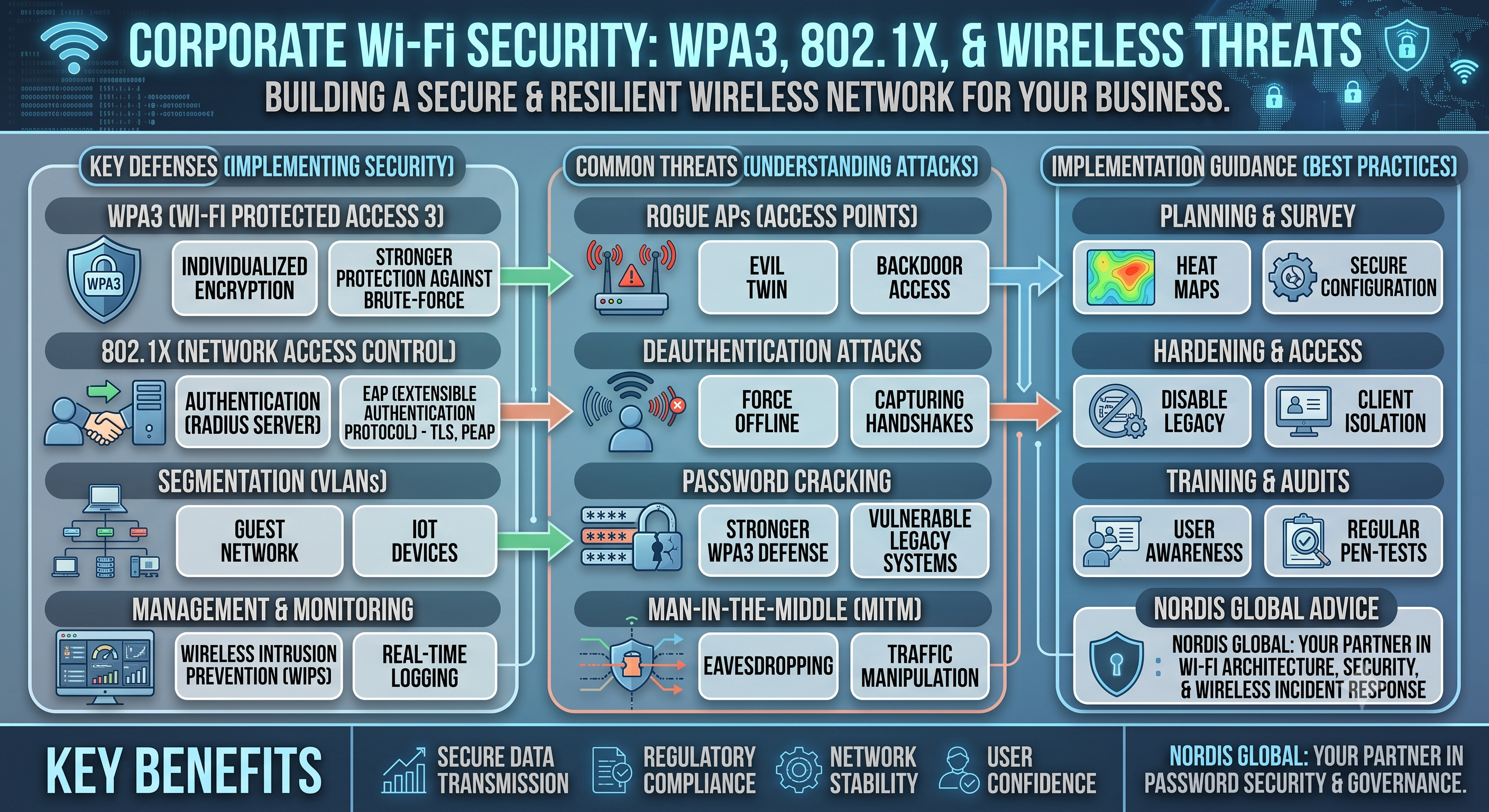
Unsecured Wi-Fi Networks: The Invisible Threat
Cafes, airports, hotels, and other public spaces

Similar Posts