
 March 18, 2026, 2:35 p.m.
"A 158-year-old company went bankrupt within 6 weeks due to a single employee's weak password. 730 people lost their jobs."
Ransomware attacks are no longer an abstract threat. Each year, more companies are forced to close their doors solely as a result of cyberattacks. In this article, we present the most striking real cases from recent years and the critical mistakes made in these attacks.
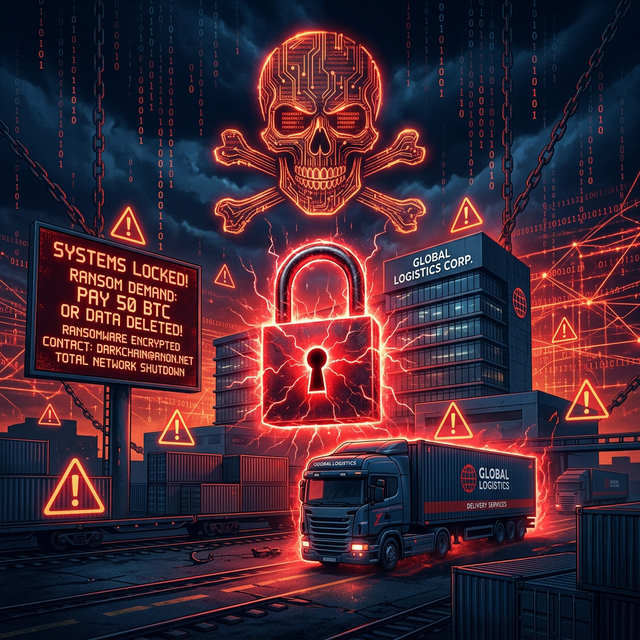
Ransomware attacks are now causing companies to shut down
Case 1: KNP Logistics — 158-Year-Old Company Gone in 6 Weeks
What Happened?
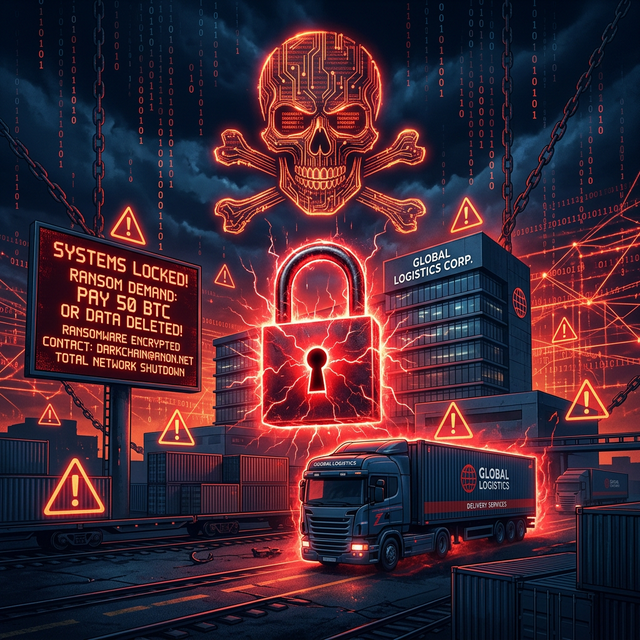
In June 2023, one of the UK's most established logistics firms, KNP Logistics Group (parent company Knights of Old), opened an email that would change the course of history. The Akira ransomware group, which had infiltrated the system unnoticed, encrypted all of the company's critical data.
How Did They Get In?
The method used by the attackers was surprisingly simple: They gained access to an employee's account through a brute-force attack. The single factor that facilitated their system entry: There was no multi-factor authentication (MFA).
Consequences:
- 🔴 Over 500 trucks were stranded on the roads due to inaccessible data
- 🔴 All of the company's financial records were destroyed — obtaining credit and finding investors became impossible
- 🔴 £5 million ransom was demanded
- 🔴 They had cyber insurance and industry-standard IT systems — but none of it was enough
- 🔴 The company declared bankruptcy 6 weeks after the attack
- 🔴 730 employees lost their jobs
Lessons: If MFA had been in place, the attacker could not have gained entry. If the backup policy had been strong, the data could have been recovered. Two simple measures could have saved a 158-year-old company and the future of 730 people.
Case 2: Stoli Group — Vodka Giant Forced Into Bankruptcy
What Happened?
In August 2024, Stoli Group USA, owner of the world-famous Stolichnaya (Stoli) Vodka, suffered a ransomware attack. The attack completely disabled the company's ERP (Enterprise Resource Planning) system.
Consequences:
- 🔴 All business processes had to be made manual
- 🔴 The company could not submit financial reports to banks
- 🔴 Banks classified the $78 million loan as "in default"
- 🔴 In November 2024, the company filed for Chapter 11 (bankruptcy protection)
Lessons: ERP systems are critical infrastructure. Segmenting and backing up these systems prevents a single attack from paralyzing the entire business operation.
Case 3: Fasana — German Factory with 240 Employees Went Under
What Happened?
In 2024, Fasana, a German napkin manufacturer with 240 employees, was forced to halt production as a result of a ransomware attack.
Consequences:
- 🔴 After the attack, 250,000 Euros in orders were lost daily
- 🔴 Production systems were down for weeks
- 🔴 The company declared insolvency (bankruptcy)
- 🔴 All 240 employees lost their jobs
Lessons: For manufacturing companies, OT/IT network segmentation is vital. Isolating the production line from the office network could have prevented the spread of the attack.
Case 4: Change Healthcare — $3.1 Billion in Losses
What Happened?
In February 2024, Change Healthcare (under UnitedHealth Group), one of the largest health technology companies in the US, suffered the most devastating cyberattack in its history. The attack affected pharmacy and hospital systems across America.
Consequences:
- 🔴 Millions of Americans could not fill prescriptions, medical care was disrupted
- 🔴 Hundreds of small clinics did not receive payments, faced closure risks
- 🔴 Total cost: $3.1 billion
- 🔴 This figure became the highest incident cost in cybersecurity history
Lessons: For critical infrastructure providers, supply chain cybersecurity is mandatory. The collapse of a single point can affect thousands of dependent companies.
Common Mistakes: What Was Missing in All These Companies?
Critical deficiencies that recurred in all of these cases are notable:
- ❌ No Multi-Factor Authentication (MFA) — Most attackers exploited this
- ❌ Network segmentation was not implemented — Once one system was compromised, everything was accessible
- ❌ Backups were either nonexistent or untested — Data recovery became impossible
- ❌ Incident response plan was not prepared — What to do in a crisis was unknown
- ❌ Security awareness training was inadequate — Phishing and social engineering easily worked
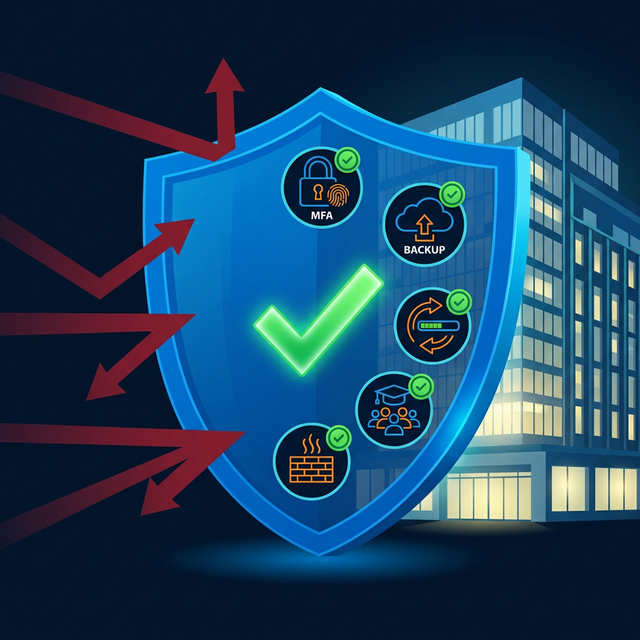
You can protect your company from ransomware with the right measures
5 Measures You Can Take Immediately to Protect Your Company
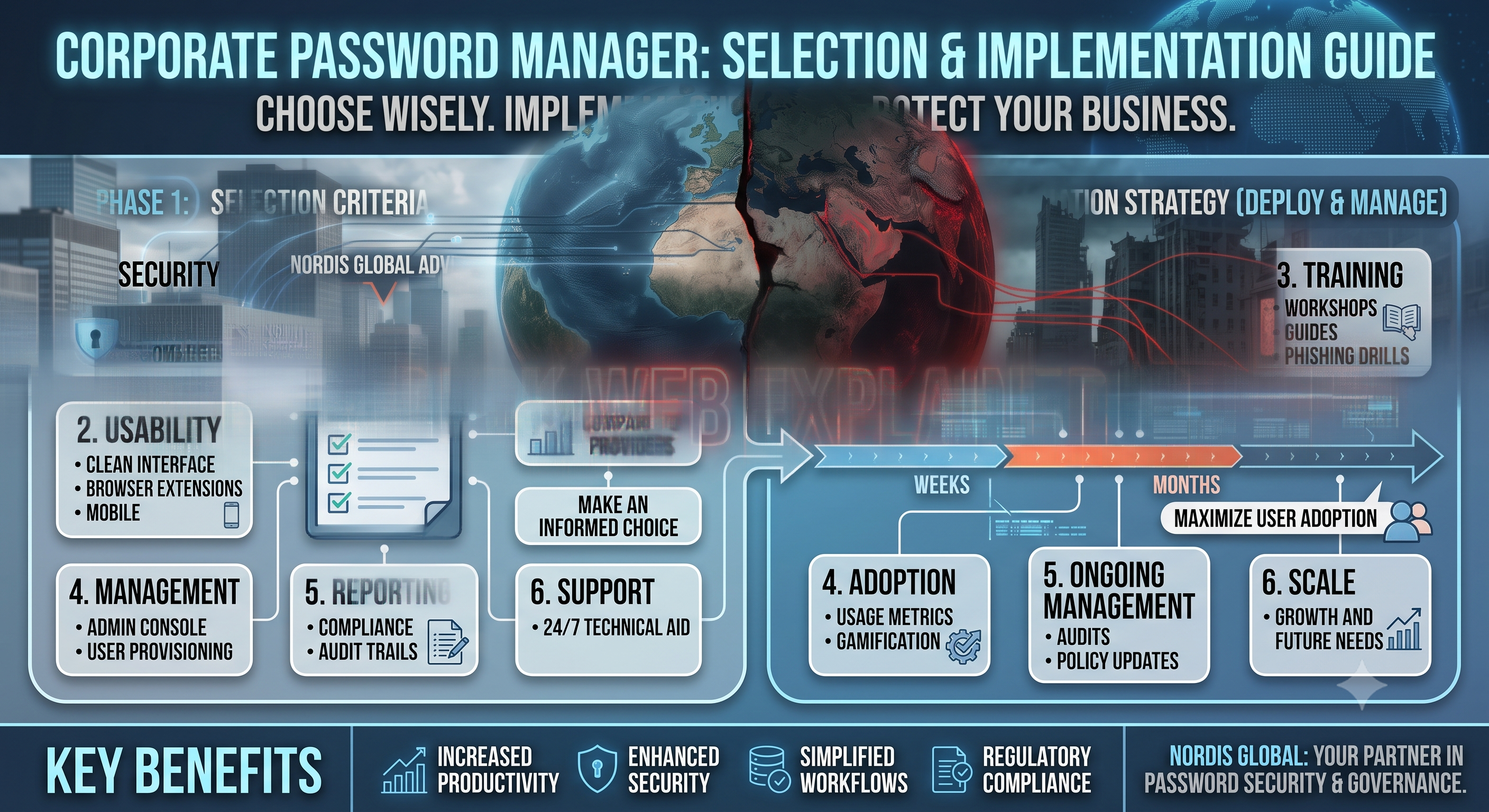
- Enable MFA immediately. Multi-factor authentication should be mandatory for all VPN, email, and critical system access. This single measure was decisive in the KNP Logistics case.
- Apply the 3-2-1 backup rule. 3 copies of data, 2 different media, 1 off-site location. And TEST your backups regularly.
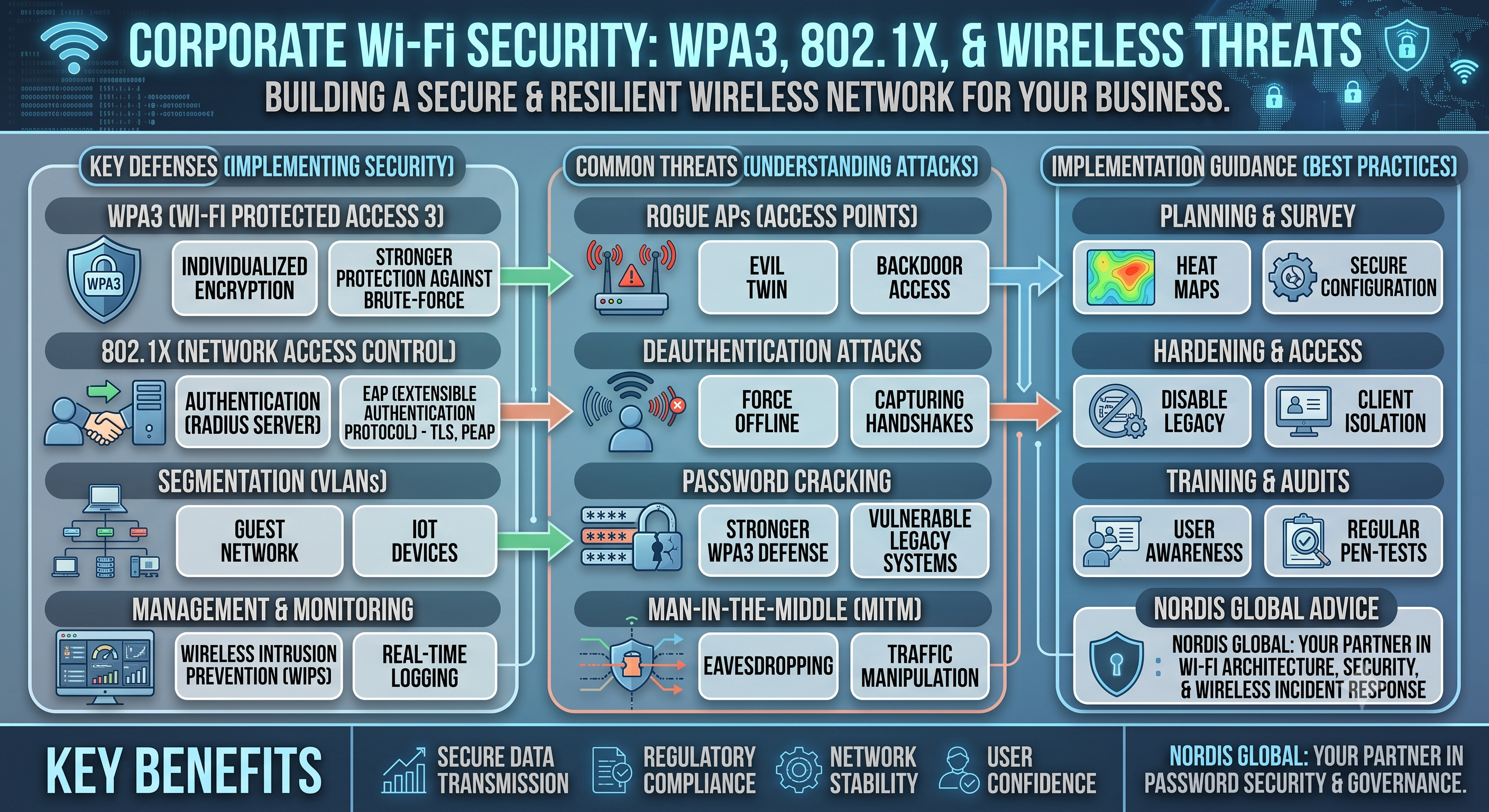
- Implement network segmentation. Isolate your production, finance, and personnel systems from each other. When one system is compromised, others remain protected.
- Provide employee awareness training. Conduct phishing simulations and training at least twice a year.
- Prepare an incident response plan. Determine who will do what during an attack, which systems will be isolated, and who to communicate with.
Conclusion: Ransomware Is an Existential Threat
KNP Logistics, Stoli Group, Fasana... What these companies had in common: They all thought "it won't happen to us." They all had cyber insurance. But none of them fully implemented basic security measures.
Cybersecurity is not a cost, it is your company's existential insurance.
As Nordis Global, we work to ensure your company does not become part of these statistics.
Similar Posts