
 July 19, 2026, 7:48 a.m.
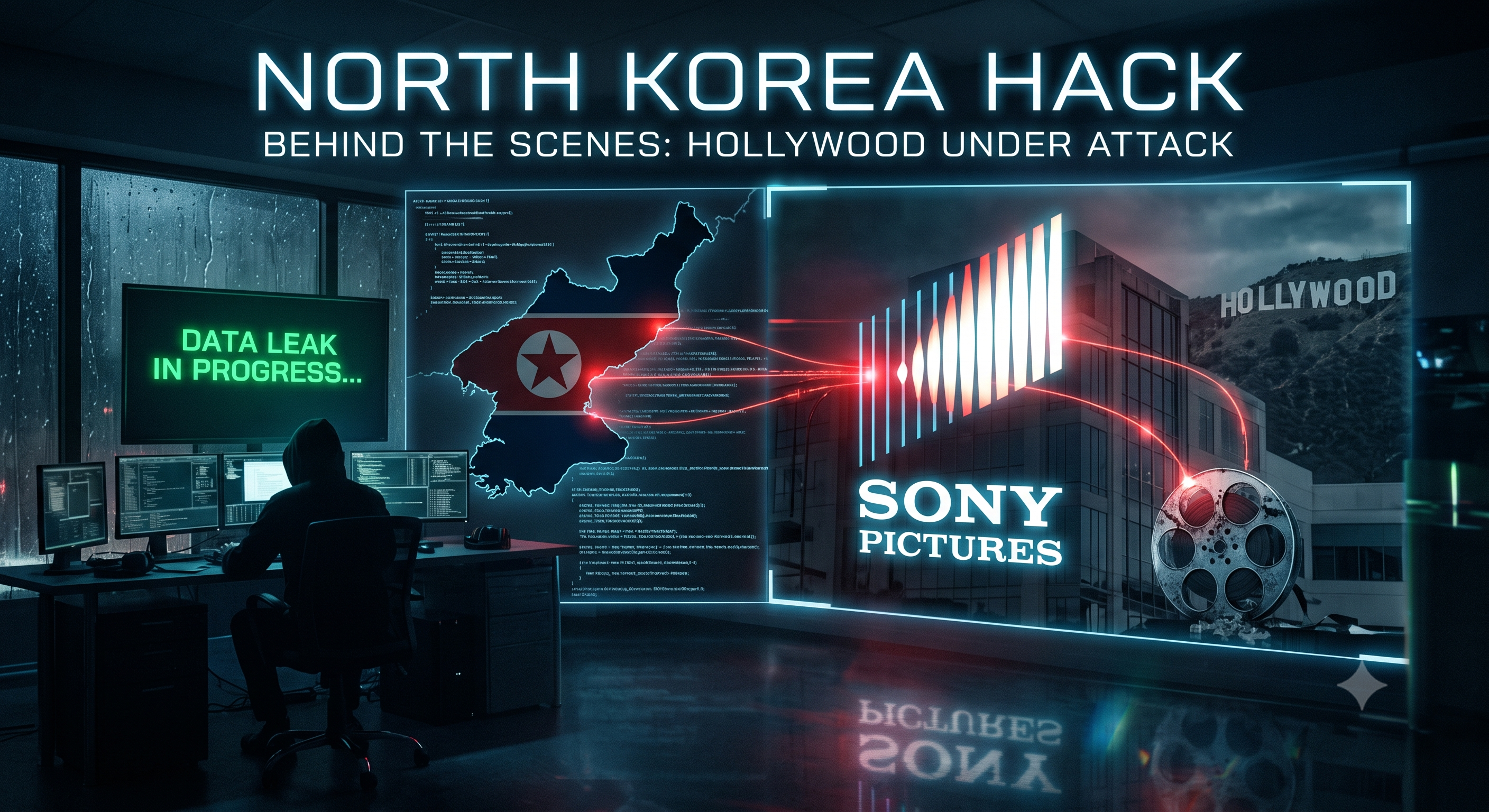
Sony Pictures Hack: Behind the Scenes of North Korea's Cyberattack on Hollywood
The Sony Pictures Entertainment cyberattack that occurred in November 2014 went down in history as one of the most devastating and publicly resonant incidents in corporate security history. This attack not only paralyzed the systems of an entertainment giant but also demonstrated to the entire world the destructive effects of nation-state sponsored cyberattacks on the private sector. This operation, orchestrated by the threat actor group known as Lazarus Group from North Korea, became a striking example of how diplomatic tensions sparked by a movie escalated into cyberspace.
As Nordis Global, we have examined in detail the impact of this incident on corporate cybersecurity strategies and how organizations should prepare against similar threats. The Sony Pictures hack incident is still used as a case study in corporate security training today and offers important lessons.
The Attack Trigger: 'The Interview' Film and Diplomatic Tensions

The comedy film "The Interview," produced by Sony Pictures, depicted an assassination plot against North Korean leader Kim Jong-un. Before the film's release, trailers released in June 2014 provoked harsh reactions from the North Korean regime. The Pyongyang administration characterized the film as an "act of war" and warned the US to stop this production.
However, Sony Pictures decided to continue with the film's release under artistic freedom and freedom of expression. This decision would ignite an unprecedented cyberattack in history. Although North Korea's cyber capabilities were not fully understood by the Western world at that time, the existence of the country's advanced cyber warfare unit was known in intelligence circles.
Lazarus Group: North Korea's Cyber Army
Lazarus Group, the threat actor behind the attack, is an organization believed to be linked to the North Korean government and recognized as one of the world's most capable cyber threat groups. The group has conducted operations against various targets since 2009, particularly targeting financial institutions and critical infrastructure.
Known activities of Lazarus Group include:
- Theft of $81 million in the 2016 Bangladesh Central Bank heist
- Orchestration of the WannaCry ransomware attack
- Attacks on various cryptocurrency exchanges
- Espionage operations targeting defense industry and energy sector
- Psychological operations within cyber warfare
The techniques used in the Sony Pictures attack revealed the group's sophisticated capabilities and long-term planning capacity. Experts determined that the attackers infiltrated Sony's network months earlier and systematically collected sensitive data.
Anatomy of the Attack: 100 Terabytes Data Disaster

On the morning of November 24, 2014, Sony Pictures employees found a red skeleton image and the message "Hacked by #GOP" (Guardians of Peace) when they turned on their computers. The attackers had disabled the company's entire computer system and carried out a massive data theft.
Scope of the Leaked Data
Approximately 100 terabytes of data were stolen in the Sony Pictures hack, with portions shared publicly. The leaked data included:
- Employee Personal Information: Over 47,000 Social Security numbers (SSN), home addresses, salary information, and performance evaluations
- Executive Emails: Thousands of private emails from Sony Pictures CEO and other senior executives
- Unreleased Films: Five unreleased Sony films were published on torrent sites
- Scripts and Business Plans: Future projects, budget information, and strategic plans
- Celebrity Salaries and Contracts: Compensation information and contract details of Hollywood stars
- Financial Documents: Company financial statements and confidential business agreements
This data breach was a complete disaster in terms of corporate espionage and data security. The leaked information dominated media headlines for days and caused serious damage to the company's reputation.
Technical Attack Vectors
Forensic analyses revealed how the attackers infiltrated Sony's network. Lazarus Group employed a multi-layered attack strategy:
- Initial Access: Targeted phishing emails and social engineering techniques
- Network Movement: Lateral movement between systems and privilege escalation
- Persistence: Installation of multiple backdoors and rootkits
- Data Exfiltration: Systematic transfer of sensitive data to external servers
- Destruction: System destruction using custom-developed wiper malware
The wiper malware used in the attack not only deleted data but also destroyed the systems' master boot record (MBR), rendering computers completely unusable.
Consequences and Global Impact of the Attack
The effects of the Sony Pictures hack extended beyond the boundaries of Hollywood studios to international diplomacy and cybersecurity policies. The multi-dimensional consequences of the attack included:
Corporate and Financial Impact
Sony Pictures experienced a major operational paralysis following the attack. The company had to disconnect from the Internet, and employees had to work on paper for days. According to estimates, the direct cost of the attack exceeded $100 million. This figure included system repairs, security improvements, legal expenses, potential lawsuits, and reputational damage.
The cancellation and subsequent limited release of the film also caused significant revenue losses. However, more importantly, the leaked emails and documents exposed internal cultural issues, compensation

Similar Posts