

 March 18, 2026, 2:32 p.m.
What is TSE Certified Penetration Testing? Comprehensive Guide
In today's rapidly evolving digital transformation era, testing and strengthening organizations' cybersecurity infrastructures is of critical importance. At this point, penetration tests are one of the most effective methods enabling organizations to proactively identify security vulnerabilities. However, for organizations operating in Turkey, having penetration tests bound to a standard and documented with TSE certification is critically important in terms of both legal compliance and service quality.
TSE certified penetration testing is a professional cybersecurity service conducted, documented, and certified in accordance with standards set by the Turkish Standards Institution. In this comprehensive guide, we will examine in detail what TSE certified penetration tests are, why they are important, and how they are implemented.
What is TSE Certified Penetration Testing?

TSE certified penetration testing is a professional security assessment service conducted by organizations authorized and certified by the Turkish Standards Institution under TS ISO/IEC 27001 and related cybersecurity standards. These tests aim to identify security vulnerabilities by conducting simulated cyberattacks against an organization's information systems, network infrastructure, web applications, and other digital assets.
The presence of TSE certification guarantees that the penetration testing service complies with specific quality standards, test processes are documented, and results are reliable. This certification process confirms both the competence of the service provider and the compliance of test methodologies with international standards.
Importance of TSE Certification
For organizations operating in Turkey, choosing TSE certified penetration testing provides many advantages:
- Legal Compliance: TSE certified tests are accepted in meeting KVKK, Law No. 6698 on Protection of Personal Data, and other regulatory requirements.
- Quality Assurance: Test methodologies and reporting processes compliant with standards are guaranteed.
- Reliability: Test processes audited and approved by an independent organization increase the reliability of results.
- Competitive Advantage: Creates a reliability indicator towards customers and business partners.
- Insurance Requirements: Many cybersecurity insurance policies require TSE certified tests.
TSE Certified Penetration Testing Scope
Penetration tests conducted in accordance with TSE standards follow a comprehensive methodology and can cover many different areas. The scope of these tests can be customized according to the organization's needs but generally includes the following components:
1. Network Infrastructure Penetration Tests
Assessment of the organization's internal and external network infrastructure security vulnerabilities includes testing firewalls, routers, switches, and other network devices. These tests reveal the effectiveness of network segmentation, access controls, and potential weak points.
2. Web Application Security Tests
Testing OWASP Top 10 and other known security vulnerabilities covers the assessment of SQL injection, XSS, CSRF, and other web-based attack vectors. Considering the complexity of modern web applications, these tests are of critical importance.
3. Mobile Application Security Tests
Security assessment of mobile applications running on iOS and Android platforms includes testing data storage security, encryption of communication channels, and authentication mechanisms.
4. Wireless Network Security Tests
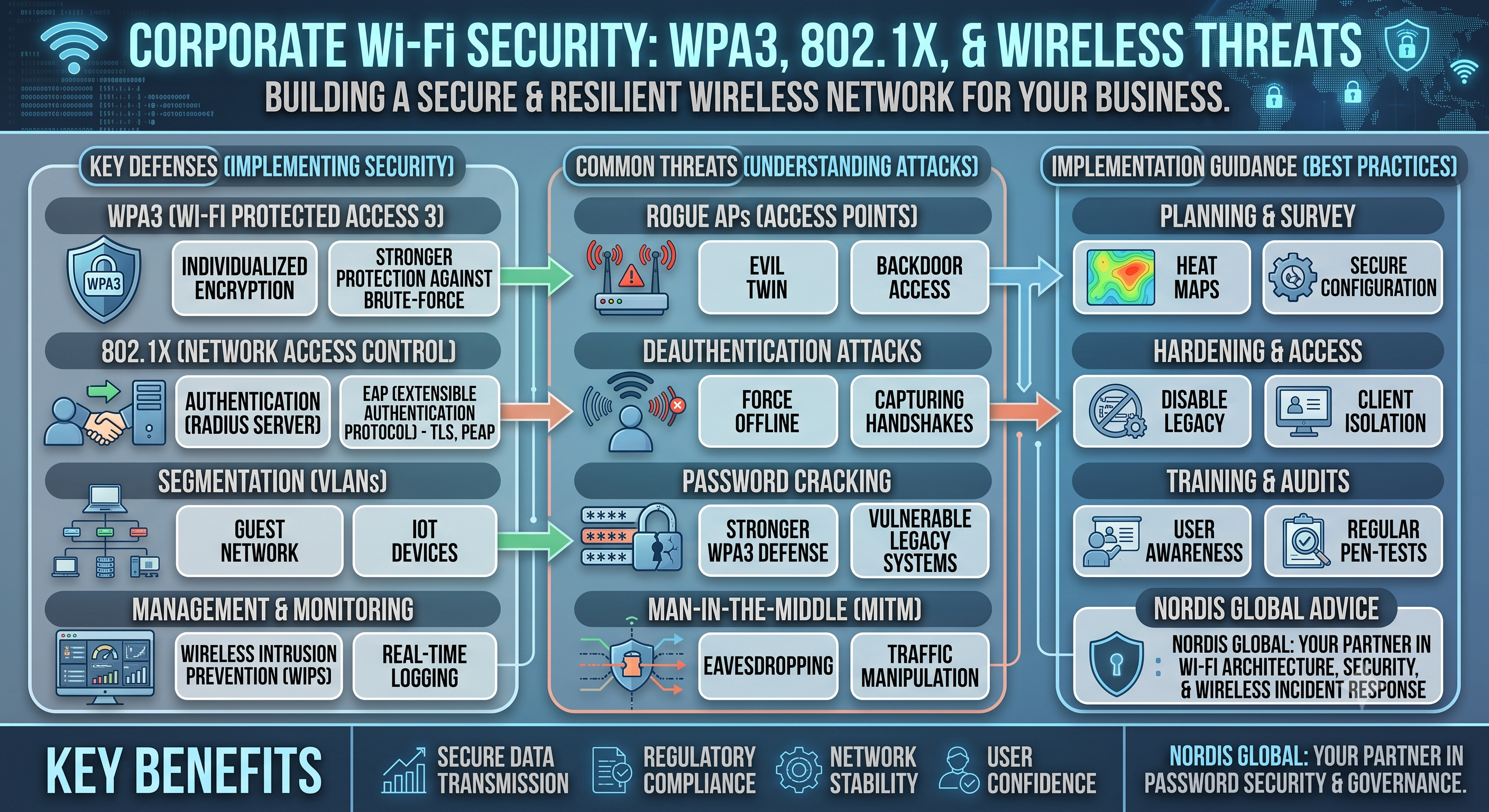
Assessment of Wi-Fi networks' security configurations, encryption protocols, and access controls covers testing resilience against wireless attack vectors.
TSE Certified Penetration Testing Methodology

Penetration tests compliant with TSE standards follow a systematic and documented methodology. This methodology ensures that the test produces repeatable and consistent results:
Planning and Scope Definition
In the first phase of the testing process, the organization's needs, test scope, objectives, and success criteria are determined. At this stage, the tools, techniques, and timeline to be used during the test are clarified. Additionally, the rules and legal limitations to be followed during testing are also defined.
Reconnaissance and Information Gathering
Information is collected about target systems using passive and active methods. At this stage, network structure, technologies used, system versions, and potential entry points are mapped. OSINT (Open Source Intelligence) techniques are also used at this stage.
Vulnerability Analysis
In light of the collected information, potential security vulnerabilities in systems are identified. Using automated tools and manual analysis techniques together, known and unknown vulnerabilities are revealed.
Exploitation and Gaining Access
Identified vulnerabilities are exploited in a controlled manner to understand how dangerous they are in the real world. At this stage, it is demonstrated to what level an attacker could gain access to systems and what data they could reach.
Reporting and Recommendations
Test results are reported in a detailed and understandable manner. The report includes an executive summary, technical findings, risk assessment, and remediation recommendations. In TSE certified tests, the reporting format must comply with standards and all findings must be documented.
What Should a TSE Certified Penetration Testing Report Include?
A standards-compliant penetration testing report should contain valuable information for both technical and non-technical stakeholders:
- Executive Summary: General assessment prepared for senior management, free from technical jargon
- Test Scope and Methodology: Which systems were tested and how they were tested
- Findings and Risk Levels: Classification of identified vulnerabilities according to criticality levels
- Technical Details: Step-by-step explanations, screenshots, and evidence for each finding
- Remediation Recommendations: Prioritized solution recommendations for each vulnerability
- Retest Plan: Recommendations for validation of remediation efforts


Similar Posts