
 April 5, 2026, 1:34 p.m.
Cybersecurity Guide for SMEs: 15 Critical Actionable Measures
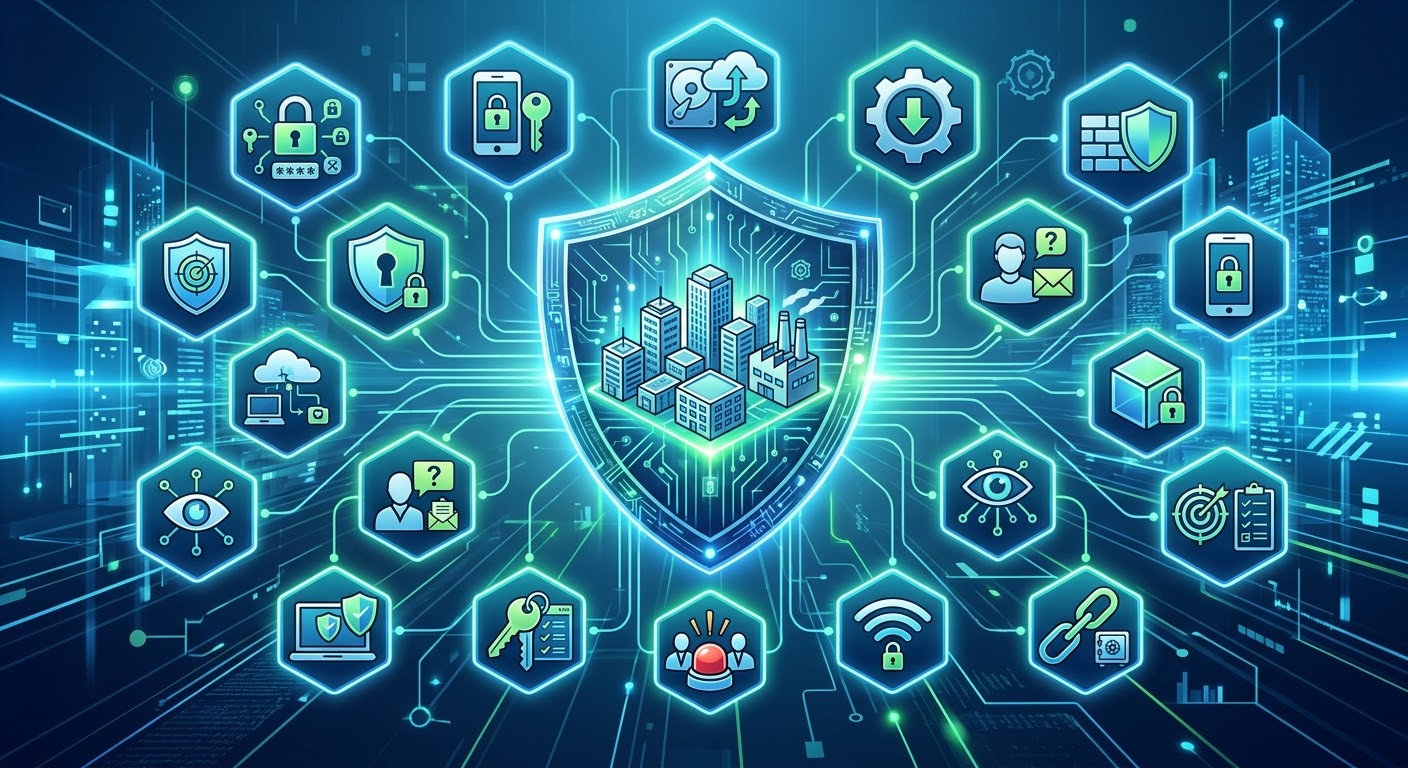
Small and medium-sized enterprises (SMEs), despite being the lifeblood of Turkey's economy, are far more vulnerable to cybersecurity threats compared to large corporations. Cybercriminals view SMEs as priority targets, assuming their security infrastructure is weak. However, for SMEs with limited budgets and resources, cybersecurity doesn't have to be complex and costly. In this guide, we'll explore in detail 15 critical measures you can implement immediately to protect your business's digital assets.
Why Are SMEs the Primary Target of Cyberattacks?

Vulnerability of SMEs to cyber threats
Recent research shows that 43% of cyberattacks target SMEs. The main reasons include insufficient security budgets, lack of expert personnel, and low cybersecurity awareness. While an average data breach costs SMEs up to 200,000 TL, 60% of these attacks cause businesses to close within six months.
Understanding that cybersecurity is not just an IT issue, but also a matter of business continuity and customer trust, is critically important. Now, let's move on to 15 fundamental measures you can implement to protect your business.
1. Create a Strong Password Policy
Strong password management is the most fundamental building block of cybersecurity. Simple passwords commonly found in SMEs, such as "123456" or "companyname2024," make cybercriminals' work extremely easy. Enforce the following password rules for all your employees:
- Passwords at least 12 characters long, containing uppercase and lowercase letters, numbers, and special characters
- Mandatory password change every 90 days
- Prevention of reusing the previous five passwords
- Prohibition of password sharing among employees
2. Implement Multi-Factor Authentication (MFA)
Multi-factor authentication is a defensive layer that significantly enhances password security. According to Microsoft's reports, MFA usage can prevent 99.9% of account takeover attacks. Enable MFA on email, accounting software, cloud storage, and all critical systems.
3. Perform Regular Software and System Updates
Outdated software is an open invitation for cyberattackers. The vast majority of attacks exploiting known security vulnerabilities stem from updates not performed on time. Set up automatic update systems for operating systems, antivirus software, web browsers, and all your business applications.
4. Develop a Comprehensive Data Backup Strategy
The impact of ransomware attacks on SMEs can be devastating. Regular and secure data backups are the most effective way to recover from such attacks. Apply the 3-2-1 rule: Keep 3 copies of your data, on 2 different media, with 1 stored offline or in the cloud. Automate your backup process and conduct regular restoration tests.
5. Use Firewall and Antivirus Protection
Enterprise-grade firewalls and antivirus solutions are indispensable elements of your basic cybersecurity infrastructure. Instead of free solutions, invest in professional security software suited to your business needs. These solutions offer real-time threat detection, automatic response mechanisms, and centralized management features.
6. Strengthen Email Security Measures

Email security and phishing protection
Over 90% of cyberattacks begin through email. Use advanced spam filters, phishing protection, and email encryption solutions. Provide regular training to your employees on recognizing and reporting suspicious emails. Establish double-check processes to verify emails involving financial transactions.
7. Conduct Employee Cybersecurity Awareness Training
The human factor is the weakest link in cybersecurity. Provide comprehensive cybersecurity training to all your employees at least twice a year. These trainings should cover social engineering, phishing attacks, safe internet usage, and data protection. Measure your employees' readiness level by conducting simulated phishing tests.
8. Implement Network Segmentation
Having all your systems on the same network can cause a security breach to spread throughout your entire infrastructure. By dividing your network into different segments, isolate critical systems. Keep your guest WiFi completely separate from your business network and create a dedicated network segment for IoT devices.
9. Create Access Control and Authorization Policies
The Principle of Least Privilege states that each user should have only the minimum access rights necessary to perform their job. Regularly review your employees' access rights and remove unnecessary privileges. Immediately revoke all access for departing employees.
10. Establish Secure Remote Work Infrastructure
With the proliferation of hybrid work models, remote access security has become critical. Make VPN (Virtual Private Network) usage mandatory and strictly control employees' access to company data from personal devices. Document your remote work policies and provide clear instructions to your employees on this matter.
11. Create a Mobile Device Management (MDM) Policy
Smartphones and tablets are access points to your business data. Using mobile device management solutions, centrally manage all mobile devices accessing business data. Keep the remote wipe feature active for lost or stolen devices.
12. Evaluate Vendor and Third-Party Security
SMEs typically work with many third-party providers for cloud services, accounting software, and other external services. Evaluate these providers' security standards and establish data protection agreements

Similar Posts