
 Aug. 27, 2026, 3:21 p.m.
Shannon Data Breach: Cybersecurity Alert in the Aviation Sector
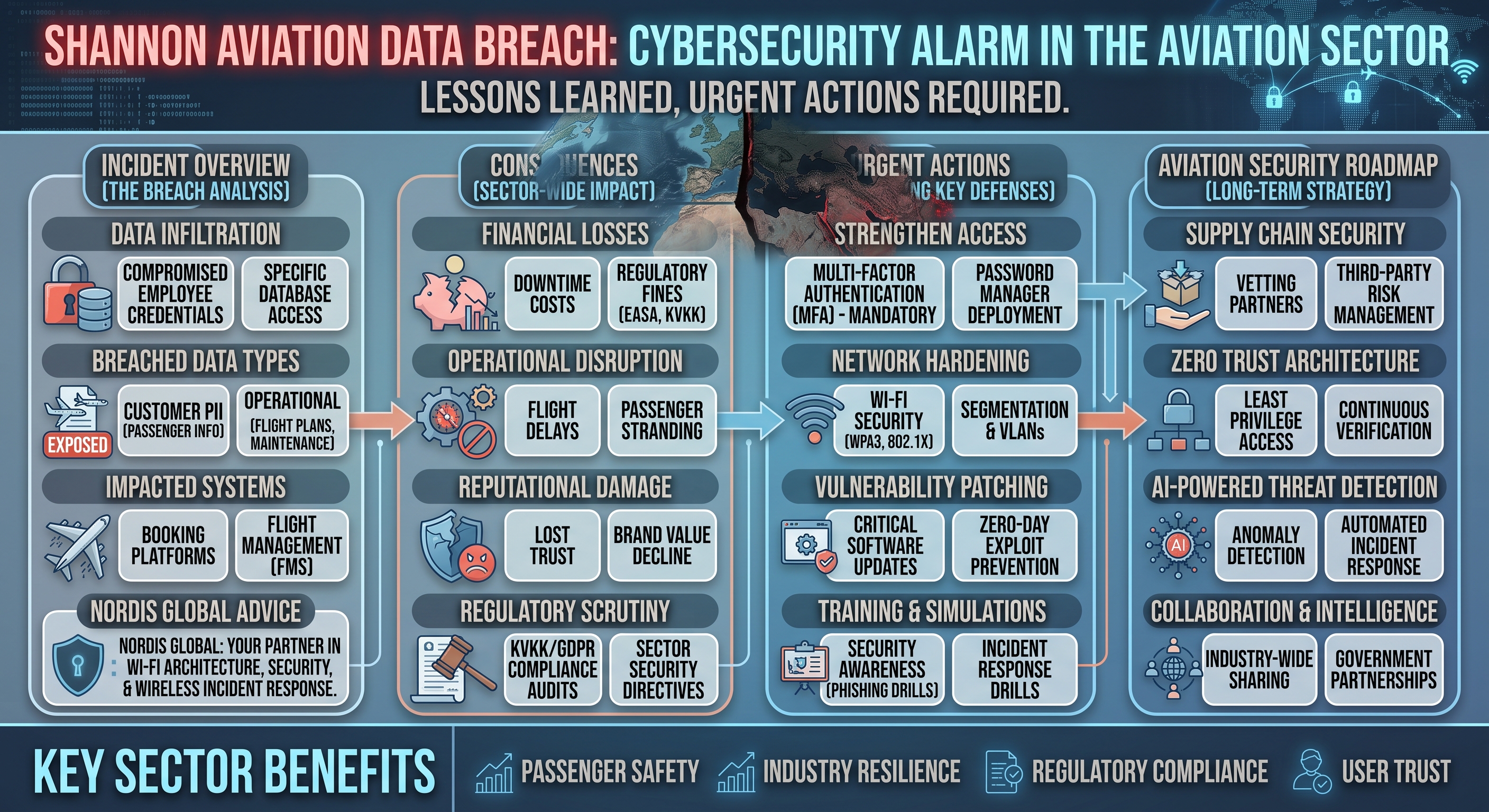
Shannon Engine Support, one of the critical infrastructure providers of the global aviation sector, became the focus of international attention with a large-scale cyberattack experienced in early 2024. This Ireland-based aviation maintenance and engine support company suffered a serious data breach resulting in the theft of sensitive data. The Shannon data breach once again exposed cybersecurity vulnerabilities in the aviation sector while revealing the extent of threats faced by critical infrastructure providers.
This incident contains important lessons not only for the aviation sector but for all critical infrastructure businesses. It presents a concrete case study on how data security strategies should be developed, what measures should be taken against cyber threats, and how to act after a breach.

Shannon Engine Support and the Anatomy of the Attack
Shannon Engine Support is a leading firm providing engine maintenance, repair, and technical support services to airlines worldwide. Operating within Shannon Airport, the company is one of the organizations with access to the most sensitive data in the aviation sector. This position makes the company one of the primary targets for cybercriminals.
The attack, detected in January 2024, was carried out by the LockBit 3.0 ransomware group. The attackers infiltrated the company's network systems, encrypted critical data, and stole a significant amount of sensitive information. The LockBit group used double extortion tactics, both locking systems and threatening to publish the stolen data.
Scope of Stolen Data
The information obtained in the Shannon data breach is extremely important in demonstrating the severity of the incident:
- Employee Personal Data: Names, addresses, national identification numbers, bank account information, and salary details
- Customer Information: Commercial contracts with airline companies, pricing information, and strategic plans
- Technical Documentation: Aircraft engine maintenance records, technical specifications, and security protocols
- Financial Data: Company financial statements, budget plans, and commercial agreement details
- Operational Information: Facility security plans and access control systems
The theft of this data created significant risks not only for Shannon Engine Support but also for partner airlines and other actors in the supply chain.
LockBit 3.0: Modern Ransomware Threat
LockBit 3.0 is one of today's most sophisticated and dangerous ransomware operations. Operating with a Ransomware-as-a-Service (RaaS) model, this group has targeted hundreds of organizations worldwide.
LockBit's Attack Strategy
The LockBit group applied its classic tactics in the Shannon attack. First, they infiltrated the company network, probably through phishing or stolen credentials. Then, they moved laterally within the network to gain access to critical systems. After exfiltrating the data, they encrypted the systems to halt operations.
The group demonstrated the seriousness of the ransom demand by publishing some of the stolen data on the dark web. This double extortion tactic increased payment pressure by confronting victims with both data loss and reputational damage threats.

Sectoral Impact of the Shannon Data Breach
The aviation sector is one of the most sensitive sectors in terms of cybersecurity. The Shannon data breach clearly revealed security vulnerabilities in this sector and their potential consequences.
Operational Disruptions
Following the attack, Shannon Engine Support had to take its systems offline. This situation led to delays in engine maintenance services and disruptions in some airline operations. Every interruption in critical infrastructure services can create a domino effect leading to widespread impacts.
Supply Chain Risk
The modern aviation sector is built on a complex supply chain. A maintenance provider's data breach poses security risks to the entire chain. Airlines working with Shannon had to review their own systems and increase security measures.
Regulatory and Legal Consequences
Operating under GDPR (General Data Protection Regulation), Shannon Engine Support had to fulfill data breach notification obligations. The company informed relevant regulatory authorities within 72 hours and also notified affected individuals. This process can potentially lead to high administrative fines and legal liabilities.
Lessons to Be Learned from the Data Breach
The Shannon data breach offers important insights on how corporate cybersecurity strategies should be developed.
Multi-Layered Security Approach
A single security measure is never sufficient. Organizations should adopt a defense-in-depth strategy. This approach includes network segmentation, strong access controls, regular security testing, and continuous monitoring systems.
Data Classification and Protection
Not all data requires the same level of protection. Organizations should classify their data according to sensitivity levels and apply extra protection layers to the most critical data. Encryption, data loss prevention (DLP) tools, and strict access controls are basic requirements.
Regular Backup and Recovery Plans
The most effective way to reduce the impact of ransomware attacks is to have reliable and tested backup systems. The 3-2-1 backup rule (3 copies, 2 different media, 1 offsite location) should be applied, and backups should be tested regularly.
Employee Awareness and Training
The human factor is the weakest link in cybersecurity. In the Shannon case as well, the attackers' initial entry was probably through social engineering tactics. Regular security awareness training and phishing simulations are critical to minimizing this risk.

Similar Posts